How to Add Transparency to JPG Images (Free Guide)
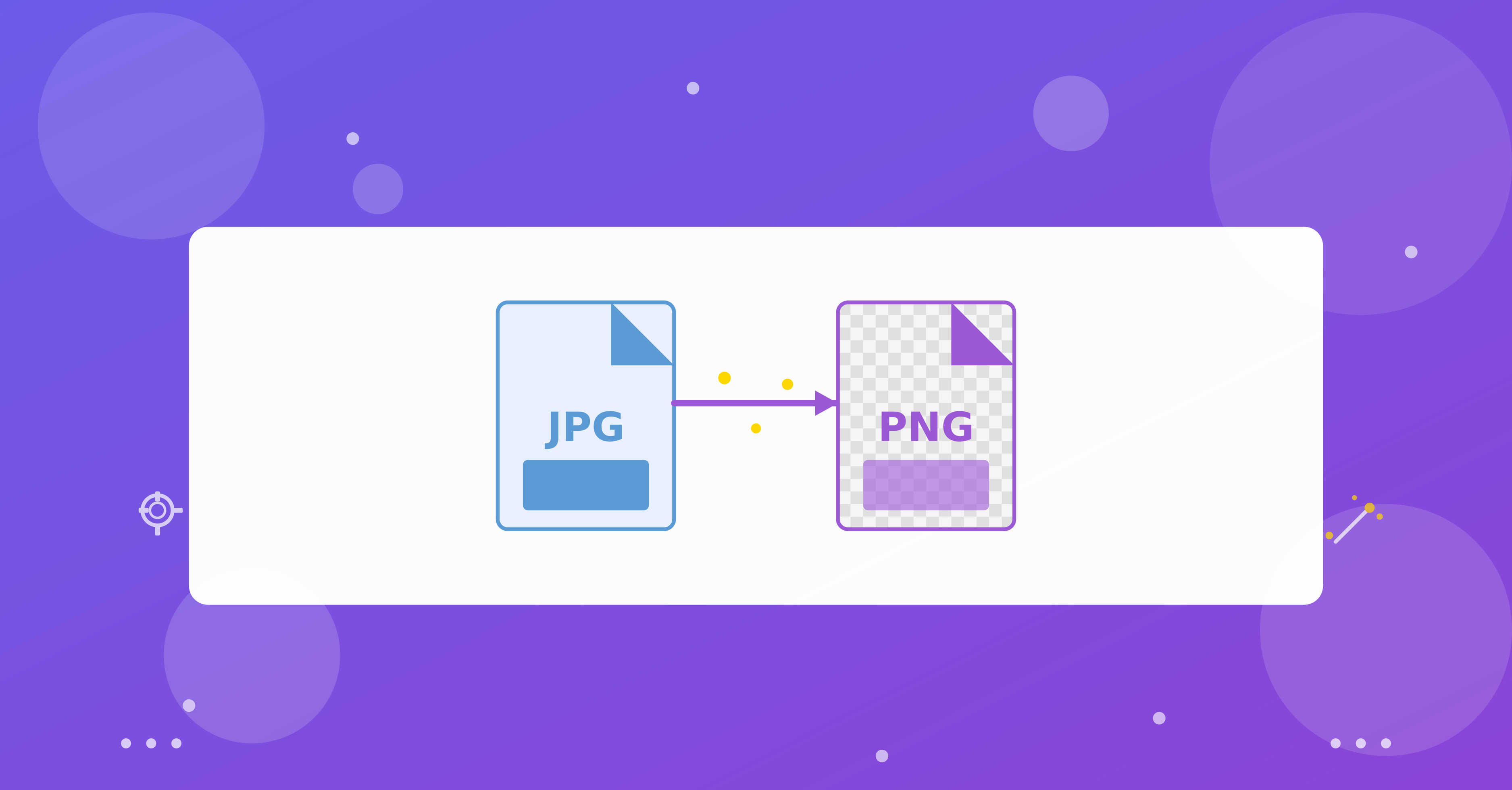
Designers and content creators often face a common challenge: JPG images simply won’t display transparent background. When working with logos, product photography, or web graphics, understanding how to make jpg background transparent becomes crucial. This comprehensive guide walks you through the entire process of transforming your JPG files into images with clean, professional transparent background.
Why JPG Can’t Have Transparency
The JPG format originated in 1992 specifically for photographic content. Its creators focused on minimizing file size rather than supporting graphic design needs, establishing core structural constraints that remain unchanged today.
Technical Architecture Prevents Clear Backgrounds
Missing Alpha Channel: Clear backgrounds in images depend on an “alpha channel”—specialized data that defines which pixels show content and which stay invisible. JPG’s framework entirely excludes this element. The format’s specification offers no method to record visibility information.
Compression Methodology: JPG reduces file size through mathematical examination of adjacent pixel colors. This compression approach expects complete color data in every pixel location. Introducing clear regions would fundamentally compromise these calculations, demanding an entirely reconstructed format architecture.
Photography Priority: When JPG became standardized three decades ago, photographers required efficient storage for extensive image collections. Graphic designers needing see-through logos and icons represented a niche application that didn’t shape the format’s development priorities.
PNG vs JPG: Key Distinctions
PNG format emerged in 1996 specifically to solve problems JPG couldn’t address. Understanding these contrasts explains why you must convert jpg to png transparent before achieving see-through effects:
PNG Features:
- Complete alpha channel integration enabling 256 visibility gradations
- Lossless compression preserving original image quality
- Support for partial opacity and gradient transitions
- Maintains clear regions through multiple editing cycles
JPG Limitations:
- Absolutely no capacity for see-through effects at structural level
- Clear areas automatically convert to white or designated solid color
- Zero possibility for modification to accommodate invisible regions
- Requires conversion to PNG before clear background edits function
This core difference shows why mastering how to convert jpg to png transparent represents your necessary initial step.
Step 1: Convert JPG to PNG
Before attempting to make jpg transparent, you need to transfer your image into a format that supports visibility data. Converting JPG to PNG preserves your image’s visual content while enabling opacity editing features.
Why Format Conversion Is Required
JPG confines your image in an inflexible structure requiring visible pixels throughout. PNG releases your image by incorporating storage for visibility data within its file architecture.
After conversion, your image appears unchanged—surroundings stay solid and visible. The vital difference involves the file’s new ability to store clear regions through later editing processes.
If you’re looking to make jpg transparent online free, this conversion step is absolutely essential and takes just seconds.
Converting Your Image to PNG Format
Contemporary online converters simplify this transformation instantly:
Access Conversion Tools: Navigate to fastimageconvert.help for client-side processing that never transfers your images to remote servers, guaranteeing complete privacy security.
Upload Your JPG: Drag your image file straight onto the converter interface or select the upload button to explore your computer. The platform processes individual images or manages multiple files together for batch conversions.
Download PNG Result: Conversion finishes within moments. Retrieve your newly generated PNG file, which now contains the technical framework needed for opacity editing while currently showing your original surroundings.
Important Note: This conversion creates visibility capability without generating it automatically. Your image maintains its existing appearance. The transformation simply readies your file for the background removal procedures detailed in the following section.
What Happens During Conversion
JPG to PNG conversion maintains every visible pixel precisely while reorganizing the file internally:
- Visual appearance: Stays completely identical
- Technical capacity: Acquires alpha channel support allowing see-through effects
- File size: Generally increases due to lossless compression method
- Editing possibilities: Expands to incorporate opacity tools and backdrop elimination
- Format flexibility: Allows usage with professional editing software’s visibility capabilities
Consider this like copying notes from permanent ink to pencil—content remains identical but gains erasability.
Step 2: Remove Background from Image
With your PNG file ready, you can now remove background from image to create see-through areas. Various methods exist spanning from automated services to manual editing applications that help you make image background transparent.
How Backdrop Elimination Works
Backdrop removal tools examine your image to distinguish primary subjects from surrounding regions. After identification, surrounding pixels vanish, replaced by visibility effects. Effectiveness depends on specific image characteristics:
Simple Cases:
- Consistent solid color surroundings everywhere
- Sharp contrast dividing subject from environment
- Crisp, well-defined subject boundaries
- Limited visual complexity or competing elements
Difficult Scenarios:
- Complex or detailed environmental elements
- Matching color tones between subject and surroundings
- Gentle edges like hair, fur, or semi-opaque materials
- Multiple overlapping subjects at different depths
Automated Online Services
Multiple websites provide instant automated backdrop elimination to remove background from image:
Remove.bg: Upload your PNG file and artificial intelligence instantly recognizes your main subject, removing everything else. Works exceptionally well for people, products, and clearly outlined objects. Download your see-through result immediately with transparent background.
PhotoRoom: Operates similarly through automated recognition. Upload, pause briefly, then download your clear-backdrop version. Delivers outstanding results for product photography and business applications. Perfect for those who want to remove background from jpg free.
Removal.AI: Particularly targets e-commerce requirements, offering professional-quality cutouts appropriate for online retailers. This jpg transparent background converter works efficiently for product images.
Process Steps:
- Visit your selected backdrop removal service
- Upload the PNG file generated in Step 1 (never the original JPG)
- Allow 5-30 seconds for automated processing
- Examine results and manually adjust if necessary
- Download your completed see-through PNG file
Manual Editing with Photoshop
Adobe Photoshop offers precise control for exacting projects:
Magic Wand Tool: Click surrounding regions to select matching colors. Modify tolerance settings to include more or fewer neighboring pixels. Press Delete to eliminate selected surroundings. This works particularly well when you need to remove white background from photos.
Quick Selection Tool: Brush across your subject for intelligent selection growth. Reverse selection to target environment instead, then delete unwanted regions.
Select Subject: Recent Photoshop versions feature AI-driven automatic subject recognition. Allow software to select your element, reverse selection to surroundings, then delete.
Pen Tool: Trace accurately around subject boundaries for complete control. Transform traced path into selection boundary, eliminate everything beyond it.
Layer Mask: Generate non-destructive masks concealing environment rather than permanently erasing pixels, permitting future modifications.
GIMP for Free Alternative
GIMP provides professional features without licensing expenses:
Fuzzy Select Tool: Functions like Photoshop’s Magic Wand. Click surroundings to select, then delete targeted regions. Ideal when you want to make white background transparent in simple images.
Free Select Tool: Manually outline around your subject generating custom selection. Reverse to target environment, then remove.
Foreground Select Tool: Roughly indicate your subject, allow GIMP to intelligently enhance selection, then eliminate surrounding regions.
Setup Requirements:
- Launch GIMP and import your PNG file
- Add alpha channel (Layer > Transparency > Add Alpha Channel)
- Utilize selection tools isolating surroundings
- Press Delete eliminating selected environment
- Export as PNG maintaining see-through effects
Achieving Professional Results
Whatever your selected tool, these approaches enhance output:
Edge Inspection: Zoom to 200-400% when refining borders. Edge quality determines professional versus amateur results.
Gentle Feathering: Apply 1-2 pixels of feathering generating natural-looking transitions between subject and clear areas.
Multi-Backdrop Testing: Preview against white, black, and assorted colors exposing any environmental remnants.
Problem Area Refinement: Hair, fur, and semi-opaque objects require extra focus using specialized refinement tools.
Step 3: Save as PNG with Transparency
After successfully removing surroundings, proper export settings guarantee visibility preservation. Incorrect choices accidentally replace clear areas with solid colors, negating your work.
Proper Export Configuration
Photoshop Export:
- Select File > Export > Export As
- Choose PNG format
- Confirm “Transparency” checkbox is CHECKED
- Select PNG-24 (not PNG-8) for full color plus see-through effects
- Verify preview displays checkered pattern in clear areas
- Complete export
GIMP Export:
- Choose File > Export As
- Select PNG format
- Confirm no backdrop color specified in PNG dialog
- Accept default visibility-maintaining settings
- Finalize export
Online Tools:
Most backdrop removal services automatically establish proper export settings. Downloaded files maintain see-through effects without additional configuration.
Verifying Success
Before deploying your image, validate visibility saved properly:
Desktop Check: Open PNG file and position over different colored surfaces. Clear areas should display underlying colors rather than showing solid white.
Software Check: Open in Photoshop or GIMP. See-through regions appear as checkered patterns. Solid colors suggest failed preservation.
Online Check: Upload to preview tool. Modify surface colors—image should adapt displaying different colors through clear sections.
Avoiding Common Export Errors
JPG Conversion Mistake: Accidentally exporting as JPG eliminates all visibility effects, replacing clear areas with solid color. Always confirm PNG format before exporting.
Wrong PNG Type: PNG-8 accommodates see-through effects but restricts total colors to 256. PNG-24 delivers full color spectrum plus complete visibility capability. Always choose PNG-24 for photographs or intricate graphics.
Missing Alpha Channel: Some software demands explicitly adding alpha channel before visibility operates. In GIMP use Layer > Transparency > Add Alpha Channel before generating clear areas.
Layer Flattening Error: Combining layers before export can accidentally substitute see-through effects with white. Maintain layer structure or flatten cautiously preserving visibility.
When You Need Transparent Images
Recognizing visibility requirements helps establish whether conversion and editing investment delivers adequate value.
Logo and Branding
Company logos demand see-through surroundings for versatile deployment:
Website Usage: Logos display on varied backdrop colors, photos, and gradients. See-through effects allow seamless adaptation without visible borders.
Marketing Materials: Brochures, presentations, and promotional graphics place logos over different surfaces. Visibility offers placement versatility.
Email Signatures: Professional signatures incorporate logos functioning across various email clients and dark mode themes.
Merchandise: Print services need see-through logos for clean printing on products without surrounding boxes.
Web Design
Contemporary websites heavily utilize see-through graphics:
Floating Elements: Buttons, badges, and decorative components overlay photos or surfaces. See-through effects allow seamless integration.
Product Displays: Online stores present products against different surfaces. Clear-backdrop product images allow flexible presentation.
Interface Icons: UI elements must function across light/dark themes and diverse page sections without visible boundaries.
Overlay Graphics: Decorative elements layer over page surfaces generating depth through visibility effects.
Product Photography
E-commerce depends significantly on see-through product images:
Catalog Consistency: Retailers showcase products against uniform surfaces. Clear-backdrop images allow consistent presentation across inventories.
Advertising Flexibility: Social media campaigns profit from products isolated on see-through surroundings allowing creative surface selection.
Comparison Tools: Product comparisons show multiple items simultaneously. Clear surroundings reduce visual clutter.
360-Degree Views: Interactive viewers demand see-through surroundings for professional presentation from all angles.
Social Media Graphics
Social platforms progressively support see-through images:
Story Overlays: Instagram and Facebook Stories incorporate graphics layering over photos/videos. See-through effects generate professional appearances.
Video Branding: YouTube channels employ see-through watermarks not blocking underlying video content.
Profile Graphics: Custom badges and accent graphics appear better with clear surroundings.
Animated Content: GIF creation benefits from see-through surroundings allowing animations functioning against any surface.
Common Mistakes to Avoid
Learning from frequent errors speeds progress toward professional outcomes.
Reverting to JPG Format
The Error: Successfully generating visibility effects then accidentally exporting as JPG destroys clear areas by replacing with solid color.
The Solution: Always export as PNG. Confirm file extension before saving. If JPG is required, preserve PNG original separately and generate distinct JPG copy with selected backdrop color.
Prevention: Configure software to default to PNG for see-through projects. Arrange files into “transparent-originals” and “distribution-copies” folders.
Insufficient Edge Quality
The Error: Backdrop removal creates thin colored halos around boundaries, especially noticeable against dark surfaces.
The Solution: Zoom to 200-400% examining edges carefully. Apply edge refinement tools removing backdrop color remnants completely.
Prevention: Always preview see-through images against various surface shades during editing rather than only verifying white surfaces.
Wrong PNG Type
The Error: Selecting PNG-8 instead of PNG-24 diminishes quality to 256 colors generating visible banding despite maintained visibility.
The Solution: Choose PNG-24 for photographs and complex graphics demanding full color range. Reserve PNG-8 for simple graphics with limited palettes.
Prevention: Study export dialogs in your software. When uncertain, PNG-24 represents safer option.
Inadequate Testing
The Error: Presuming visibility appears correct without comprehensive testing, discovering issues after widespread distribution.
The Solution: Test every see-through image against white, black, and colored surfaces before completion. Position over complex photos confirming no unwanted remnants appear.
Prevention: Generate dedicated test document with various surfaces specifically for confirming visibility quality.
Frequently Asked Questions
Can JPG have transparent background?
No, JPG format absolutely cannot accommodate see-through effects. The format lacks alpha channel architecture necessary for recording visibility data. Every JPG pixel must hold complete color information—invisible pixels cannot exist in JPG structure. To make jpg background transparent, you must initially convert jpg to png transparent using online converters, then eliminate the surroundings.
What format supports transparency?
PNG format provides optimal see-through support for most applications, offering complete alpha channel control (256 visibility levels), lossless compression sustaining perfect quality, and universal software compatibility. GIF also accommodates basic visibility but only binary mode (fully see-through or fully opaque), making it inappropriate for photographs or complex graphics. WebP accommodates visibility with superior compression than PNG but encounters slightly less universal compatibility.
How to make white background transparent?
Initially, convert your JPG to PNG format using online conversion tools to activate visibility capability. Then utilize backdrop removal tools: automated services like Remove.bg deliver instant solutions to remove white background, or employ Photoshop/GIMP’s Magic Wand tool selecting white areas and deleting them. Export as PNG-24 format to maintain see-through effects.
Best format for transparent images?
PNG-24 offers optimal balance of quality, visibility support, and compatibility. It provides lossless compression, full color spectrum, complete alpha channel control, and operates universally across all software and platforms. WebP offers superior compression but marginally reduced compatibility. Avoid GIF for photographs or complex graphics due to severe color limitations.
How to add transparency without Photoshop?
Multiple free alternatives exist: GIMP delivers professional-grade visibility tools at zero cost. Online services like Remove.bg, PhotoRoom, and Removal.AI offer automated backdrop removal without software installation. Mobile apps like Background Eraser (iOS/Android) allow smartphone editing. All approaches require initially converting your JPG to PNG format to activate visibility capabilities.
Does converting JPG to PNG add transparency automatically?
No, converting JPG to PNG only activates visibility capability—it doesn’t generate see-through areas automatically. After conversion, your image retains identical appearance including surroundings. You must manually eliminate backdrops using editing tools to generate actual see-through effects. Conversion represents essential preparation making visibility possible, but backdrop removal demands separate action.
How to check if image has transparency?
Open file in image editing software—see-through areas appear as checkered patterns. Alternatively, place image over various colored surfaces. If surfaces display through, visibility exists. If white or solid color consistently appears, see-through effects are absent. Confirm format: JPG files cannot hold visibility; PNG, WebP, and GIF files potentially contain it.
Can you convert transparent PNG back to JPG?
Yes, but visibility vanishes permanently when converting PNG to JPG. Software replaces see-through areas with solid color (typically white) because JPG cannot record visibility data. If JPG format is necessary (for size reduction or compatibility), choose backdrop color carefully before converting. Maintain original see-through PNG for future needs requiring visibility.
Conclusion: Mastering Transparent Backgrounds
Understanding how to add transparency to jpg images demands grasping format limitations and executing systematic steps. JPG’s inability to record alpha channel data necessitates conversion to PNG before backdrop removal becomes possible. Once converted, various tools from automated services to professional software facilitate surrounding elimination for see-through outcomes.
Executing these essential steps—convert jpg to png transparent, remove background, export properly—transforms any JPG into professional see-through graphics appropriate for logos, products, web design, and numerous applications. The process for how to make jpg transparent online free becomes manageable once you comprehend each stage. Preventing common mistakes like reverting to JPG or inadequate edge refinement guarantees professional results reliably.
Ready to make jpg background transparent? Convert your JPG to PNG to begin creating transparent backgrounds for your images today.